



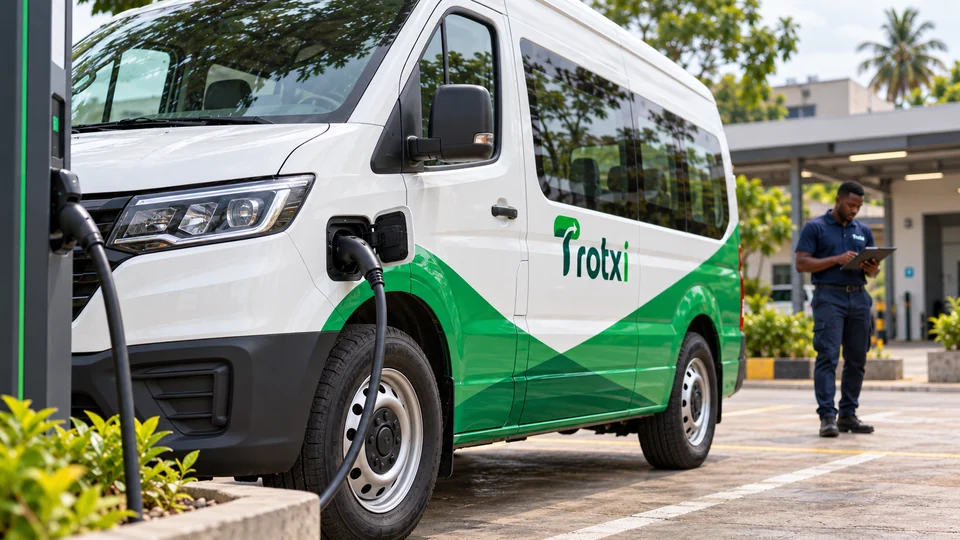
Our longer-term plans include electric vans, supported by the partnerships, infrastructure and operational preparation needed to keep shared commuting dependable and affordable.
IN THIS ARTICLE
Begin with the route
A vehicle has to suit the journey it will serve. Before introducing electric vans, we intend to assess daily distances, operating schedules, passenger demand and the time available between trips.
Those details will help us work with fleet partners on suitable vehicles and operating plans. The transition should strengthen the commute people rely on, with service needs guiding the choice of technology.
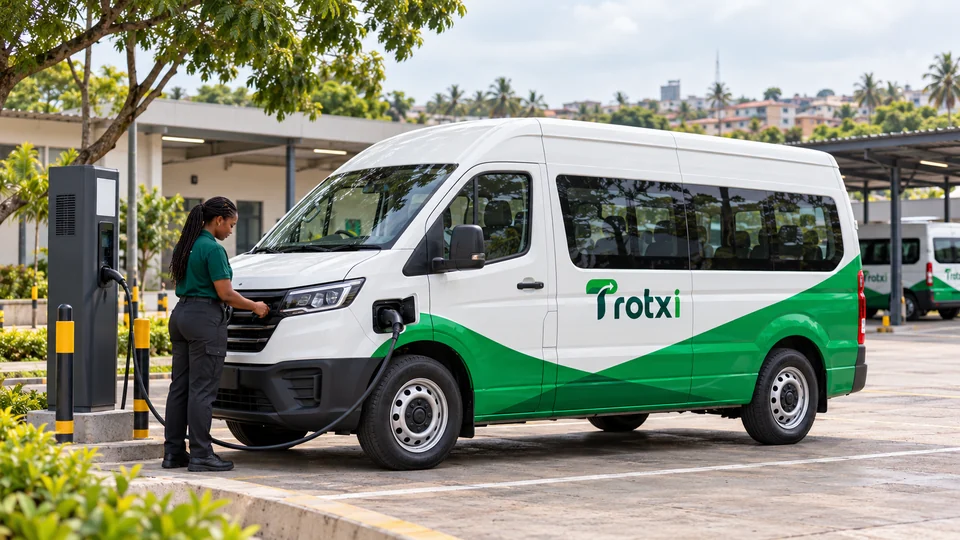
Build charging into the working day
Charging needs to be planned alongside the timetable. Depot access, charging availability, time out of service and a response when equipment is unavailable all belong in the operating plan.
Our approach is to develop this readiness with fleet, charging and energy partners. Reliable shared transport depends on those systems working together, as well as on the vehicle itself.
Keep affordability in the decision
Purchase or lease costs are only part of the picture. We also need to understand energy, maintenance, financing, vehicle availability and the infrastructure required to keep the service running.
We intend to evaluate those costs with partners before committing to a transition. The ambition is cleaner shared mobility that remains a practical choice for commuters and a viable service for operators.
Consider the whole system
Trotxi’s sustainability framework asks us to look beyond the vehicle’s power source. Our assessment will include how electricity is supplied, how batteries are managed over their working life, and the infrastructure supporting the fleet.
We will also continue to focus on filling seats, reducing unnecessary mileage and maintaining vehicles well. Those operating decisions remain part of our sustainability approach as fleet technology changes.
Let evidence guide the transition
Electric vans are a future direction, not a claim about our current fleet. The pace of adoption will depend on operational readiness, suitable partners and what we learn from the service as it develops.
We intend to track energy use, vehicle utilisation and costs, and use clear methods for environmental estimates. That evidence will help us decide where electrification can make the most useful contribution.
THE TAKEAWAY
A cleaner fleet must also be a dependable, affordable service.